Walk through any electronics bazaar from Peshawar to Lahore and every stall claims to carry the best solar panels in Pakistan. The cartons look identical, the wattage stickers look identical, and yet two visually similar modules can differ by years of useful life and thousands of rupees in lost generation. Brand, cell technology and paperwork are what separate them.
This comparison cuts through the noise for 2026 buyers. We will look at how the leading manufacturers stack up on the numbers that matter in our climate, which cell technology handles extreme heat, and the warning signs that a bargain pallet is actually rejected factory stock.
What Separates the Best Solar Panels in Pakistan From the Rest
Three specifications do most of the work when comparing modules. Efficiency tells you how much roof each watt requires. The temperature coefficient tells you how much output melts away on a 45 degree afternoon. The warranty pair, product and performance, tells you how long the factory stands behind its glass.
You will also hear the phrase Tier-1 thrown around loosely. Strictly speaking it is a bankability ranking of manufacturers, not a quality certificate for an individual panel, yet it remains a useful shortlist filter. A Tier-1 factory has the scale, audits and financial stability that make honoring a 25 year promise plausible.
Global context helps too. The International Energy Agency reports at iea.org that solar PV has become the cheapest source of new electricity in most of the world, which is exactly why factories now compete on quality tiers rather than price alone. The gap between a Tier-1 module and an unknown label has never been wider.
2026 Brand Comparison at a Glance
These four manufacturers dominate legitimate imports this year. Figures below reflect their mainstream residential series as listed on current datasheets.
| Brand and series | Cell type | Efficiency | Temp. coefficient | Product warranty |
|---|---|---|---|---|
| LONGi Hi-MO X6 | HPBC (N-type) | Up to 23.0% | -0.29%/°C | 15 years |
| Jinko Tiger Neo | TOPCon (N-type) | Up to 22.7% | -0.29%/°C | 12 years |
| JA Solar Deep Blue 4.0 | TOPCon (N-type) | Up to 22.5% | -0.30%/°C | 12 years |
| Canadian Solar TOPHiKu6 | TOPCon (N-type) | Up to 22.5% | -0.29%/°C | 12 years |
Notice how tight the race is at the top. Between genuine Tier-1 modules, your decision can safely come down to price per watt, dealer reputation and warranty service, provided the paperwork proves the panel is what the carton says. Dealers who import documented, sealed-carton solar panels in Pakistan will show you the packing list, serial range and bill of entry without being asked twice.
Which Panel Technology Survives Pakistani Heat Best?
N-type cells, and it is not close. Older P-type PERC modules typically lose output at around -0.35 percent per degree above 25°C, while the N-type TOPCon and HPBC panels in the table above sit near -0.29 percent. On a roof where cell temperature touches 65°C, that difference keeps roughly 2 to 3 percent more of your rated power flowing every hot afternoon.
N-type also degrades more slowly. Most 2026 datasheets promise around 87 to 89 percent of original output after 30 years, against the low 80s for older PERC lines. Since Pakistani summers are precisely the stress test these figures describe, paying a small premium for N-type is one of the few upgrades that reliably earns its money back.
Dual-glass construction deserves a mention too. Replacing the plastic backsheet with a second sheet of glass improves resistance to humidity, heat cycling and the fine dust that works into cheaper laminates. Several of the series in the table above now ship in dual-glass versions at only a small price difference.
Red Flags: Spotting B-Grade and Refurbished Modules
The flood of cheap pallets in the market includes factory rejects, hail-damaged reclaims and relabeled used panels. Watch for these signs before handing over cash:
- No flash test report. Every genuine module leaves the factory with a measured output printout tied to its serial number.
- Serial stickers that peel easily or sit over an older label.
- Scuffed frames, cloudy cells or snail trails visible under an angled flashlight.
- Prices dramatically below the documented import rate for that brand.
- A seller who cannot name the official national distributor.
When in doubt, buy from a business with a physical address and a service history you can check. A long-standing solar company in Kohat, for example, stakes its local reputation on every pallet it sells, which is leverage a roadside stall never gives you.
From Carton to Roof: Handling Decides Real-World Lifespan
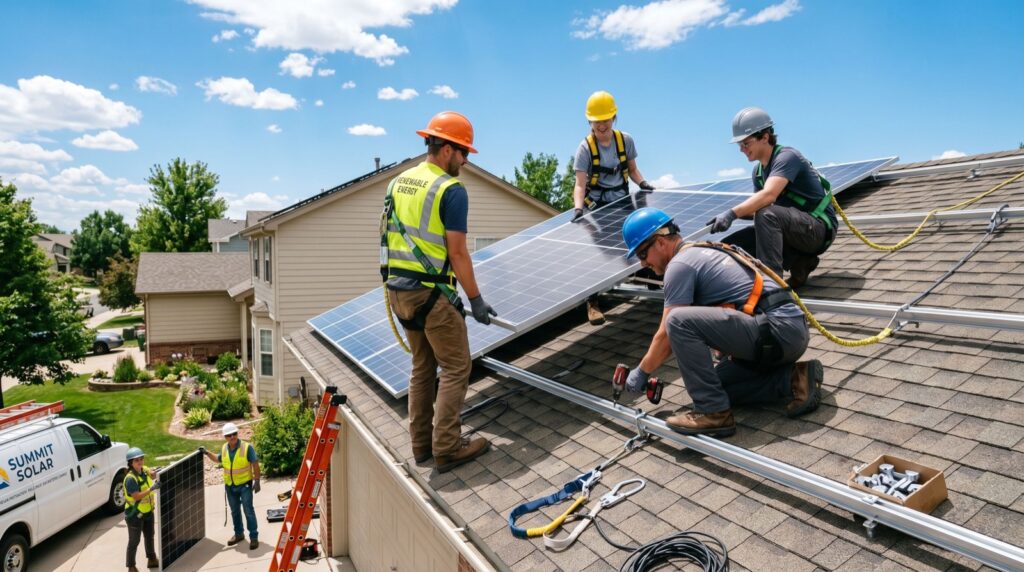
Microcracks are the silent killer of good panels, and most of them happen between the warehouse and the mounting rail. A module carried flat by one person, stepped on, or dropped two inches onto concrete can pass a visual check yet lose watts every year afterward.
Treat modules like the fragile glass furniture they essentially are. Two carriers per panel, vertical carrying position, and no stacking without corner protectors. It is the same logic an experienced local team applies to a glass cabinet on moving day: the object survives because the handling was planned, not because the object was tough.
Insist that your installer torques clamps to the manufacturer’s specification as well. Overtightened mid-clamps are a leading cause of warranty-voiding frame damage in 2026 installations.
Frequently Asked Questions
Which brand makes the best solar panels in Pakistan right now?
Among documented imports, LONGi, Jinko, JA Solar and Canadian Solar all deliver comparable Tier-1 quality this year. The honest answer is that the dealer and the paperwork matter more than picking between these four names.
Are 550W panels better than a larger number of smaller panels?
Usually yes for homes, because fewer modules mean fewer connections, less racking and lower installation cost. The exception is a complicated roof with shade pockets, where smaller panels give the layout more flexibility.
How can I confirm a panel’s serial number is genuine?
Most major brands host a serial verification page on their official website, and their national distributor can cross-check the import batch. If neither route confirms your serial, treat the panel as unverified regardless of how new it looks.
Choose the Proof, Not the Poster
The best solar panels in Pakistan are not a secret brand nobody else knows. They are documented Tier-1 modules with verifiable serials, sold by dealers who survive on repeat customers, and installed by hands that treat glass like glass. Shortlist from the table above, demand the flash reports, and your roof will still be earning quietly in 2050.